🚚 Free Worldwide Shipping on All Orders!Shop Now

Davone Solo Floorstanders

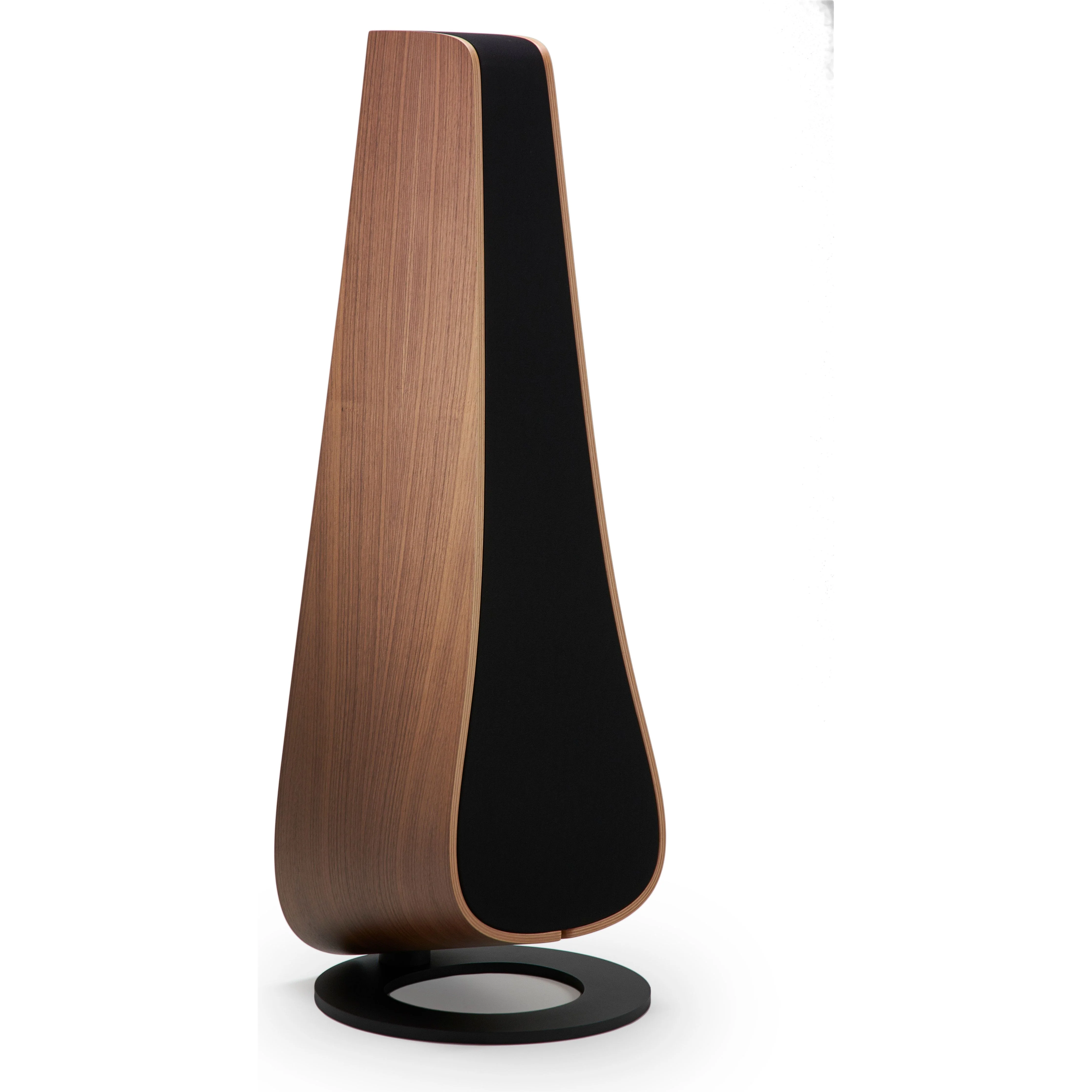
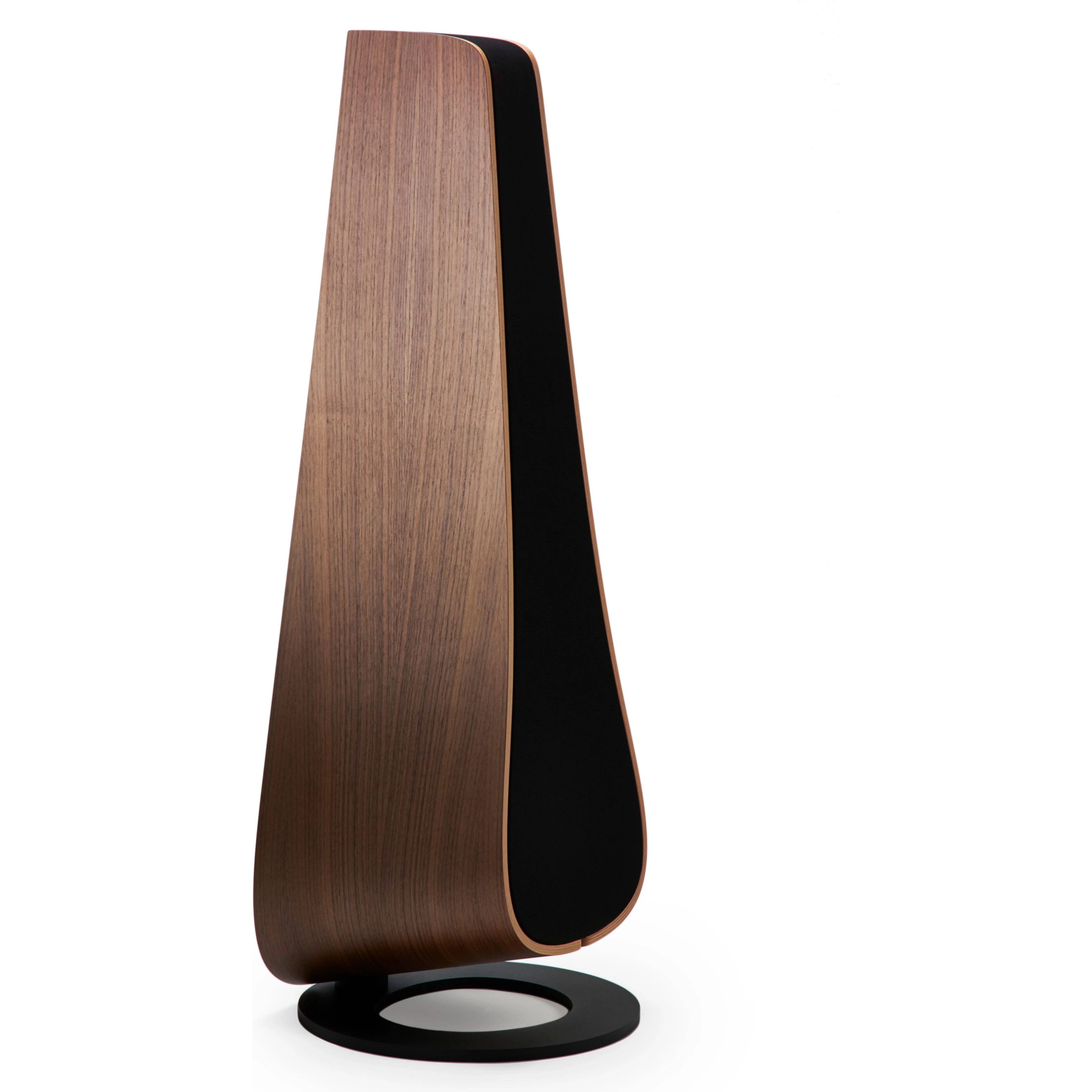
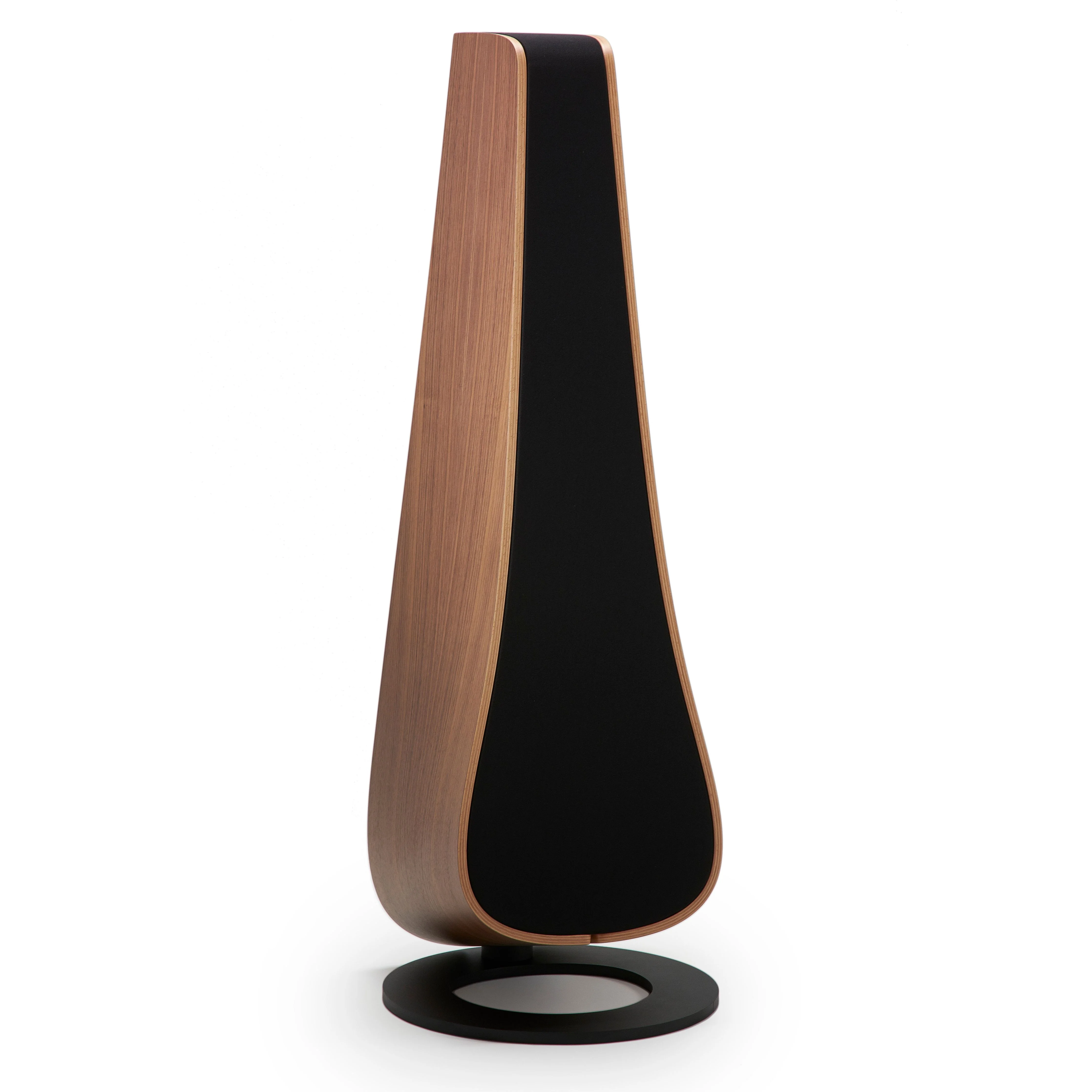
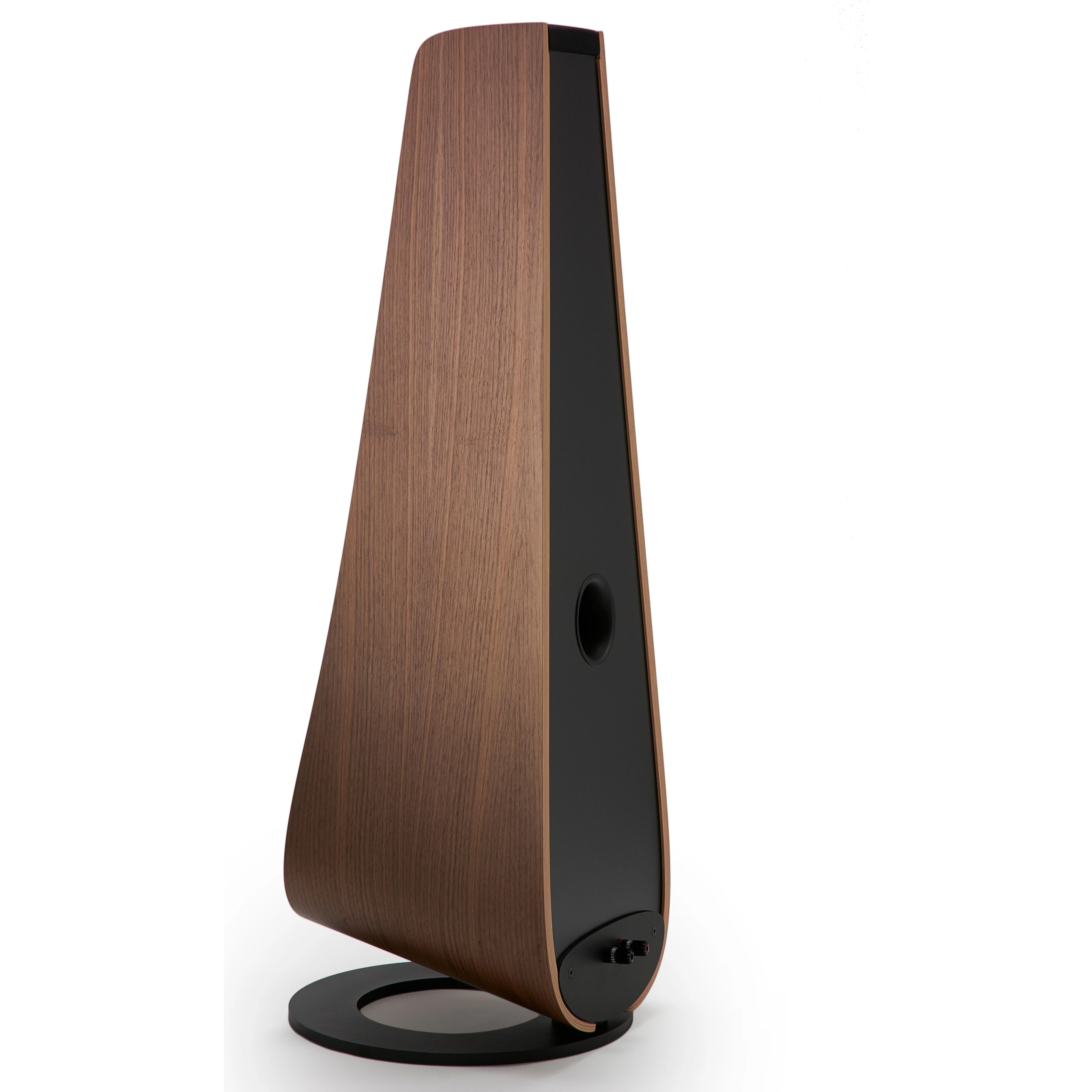
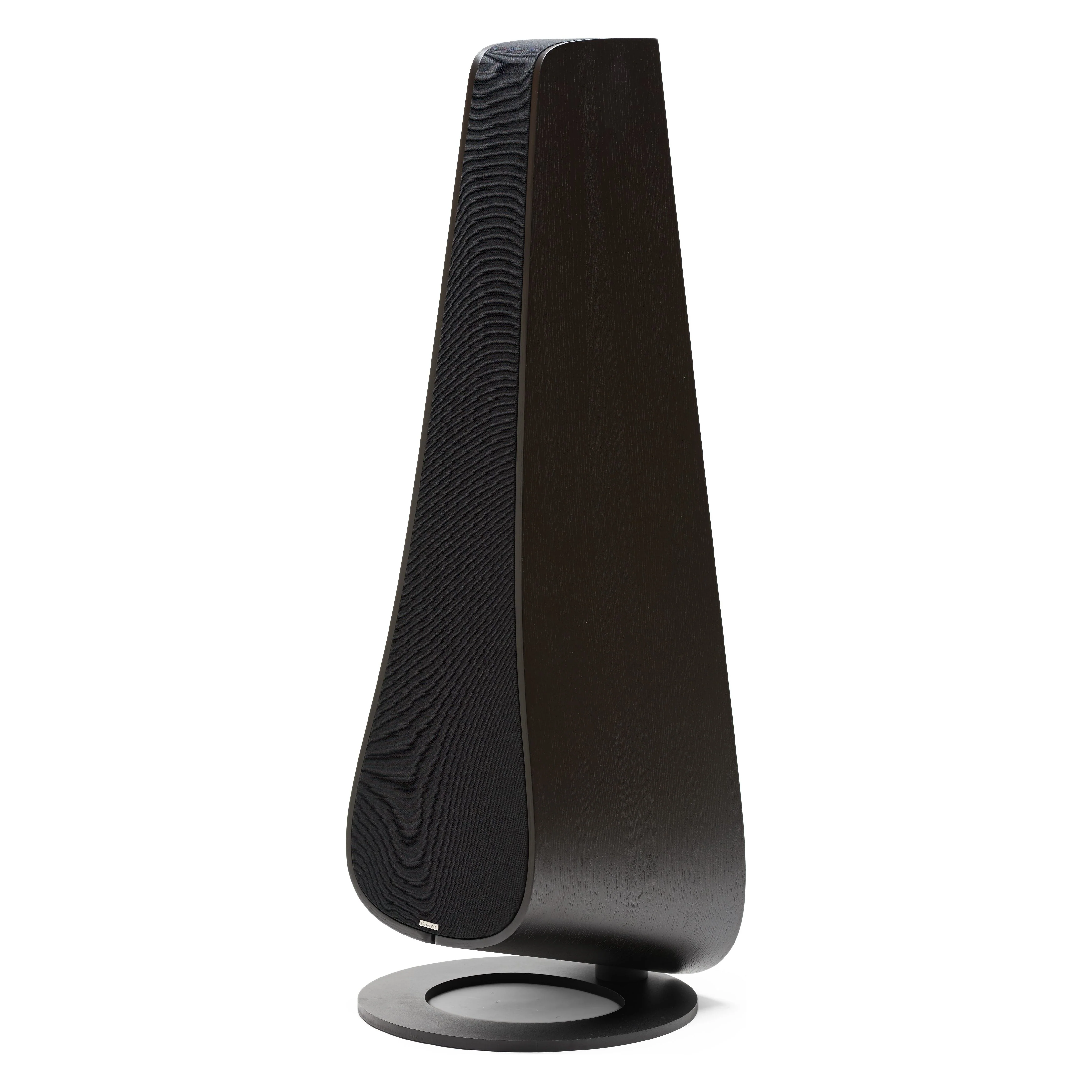
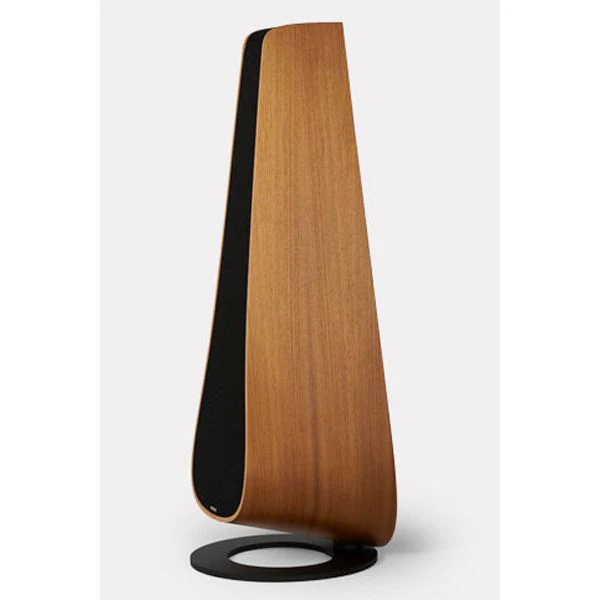
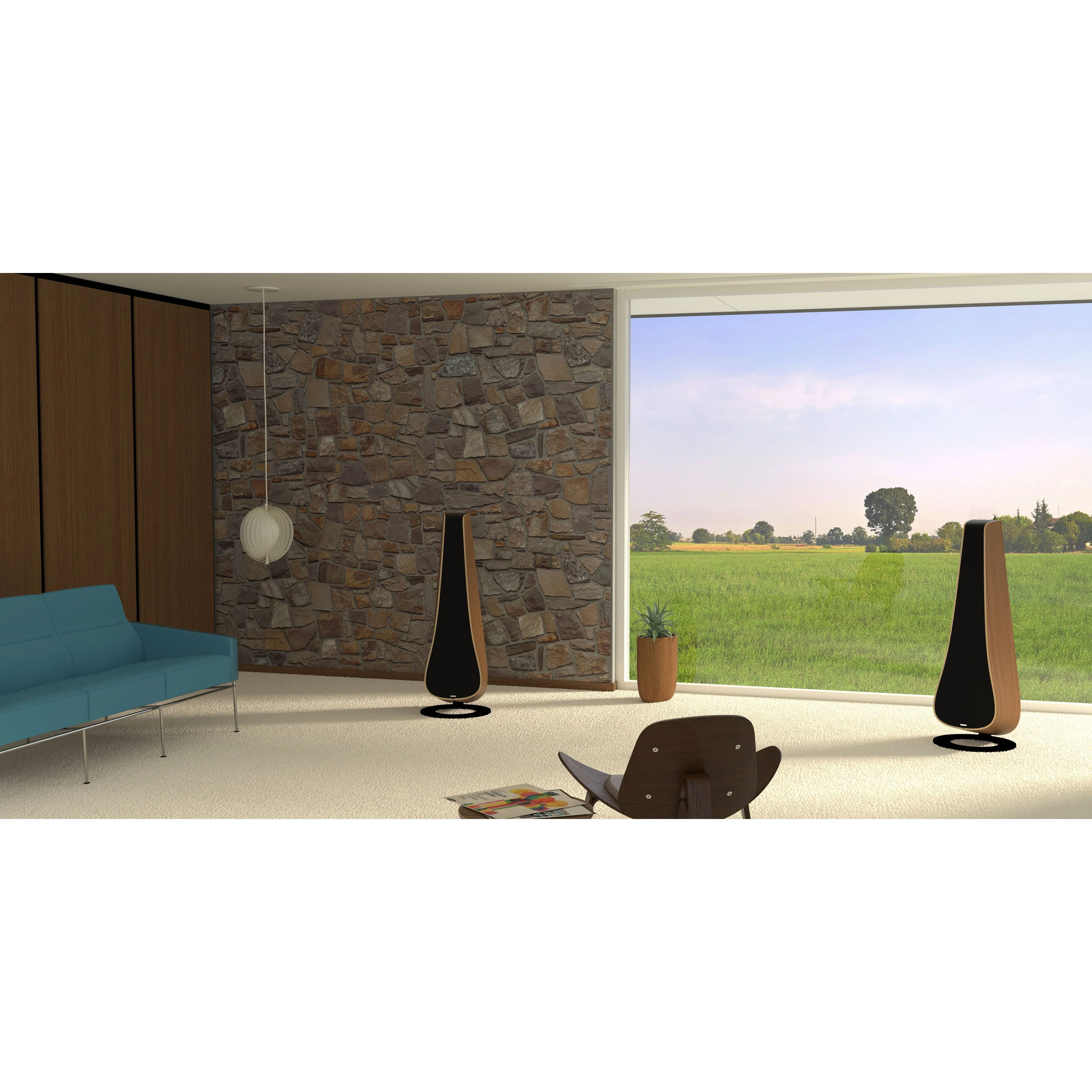
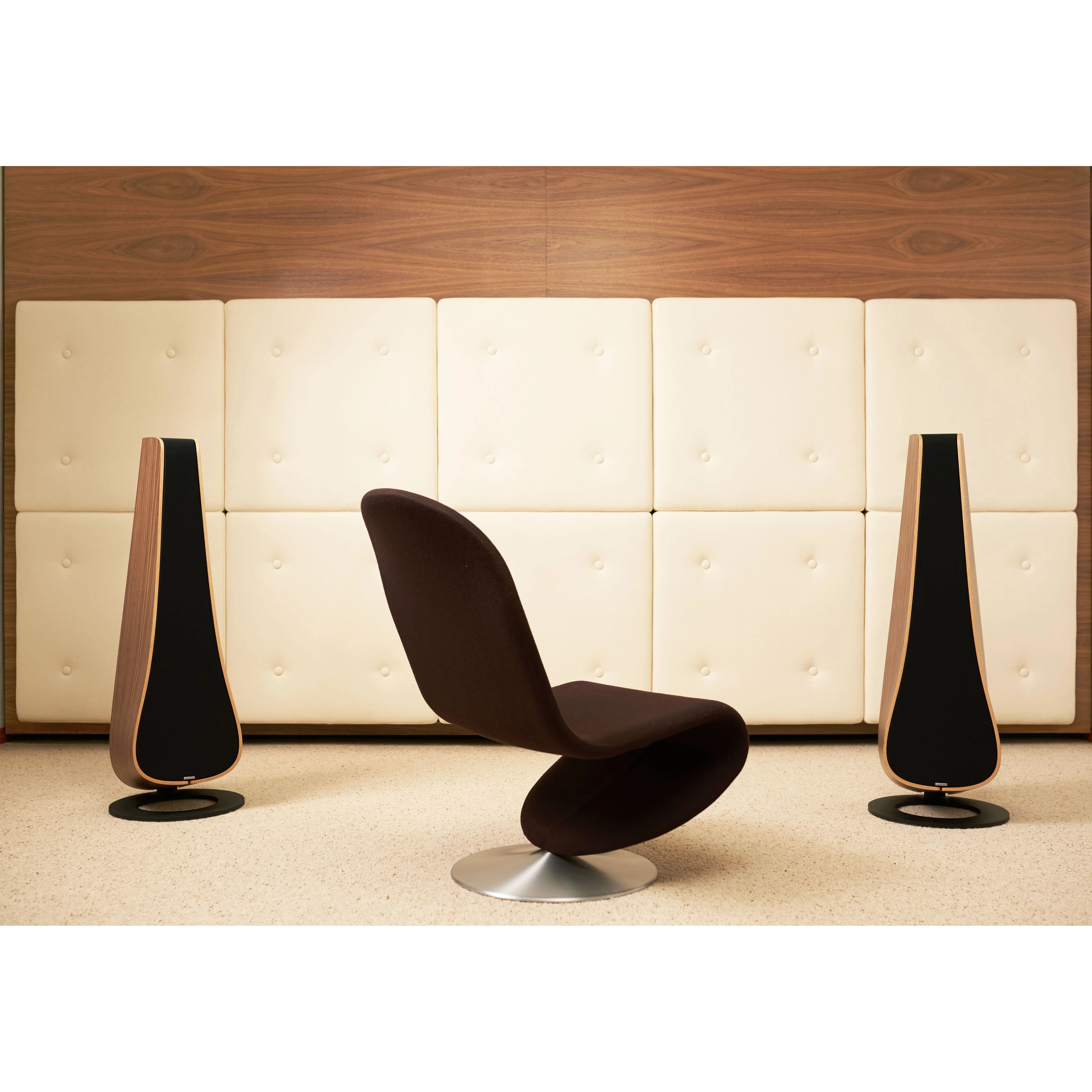
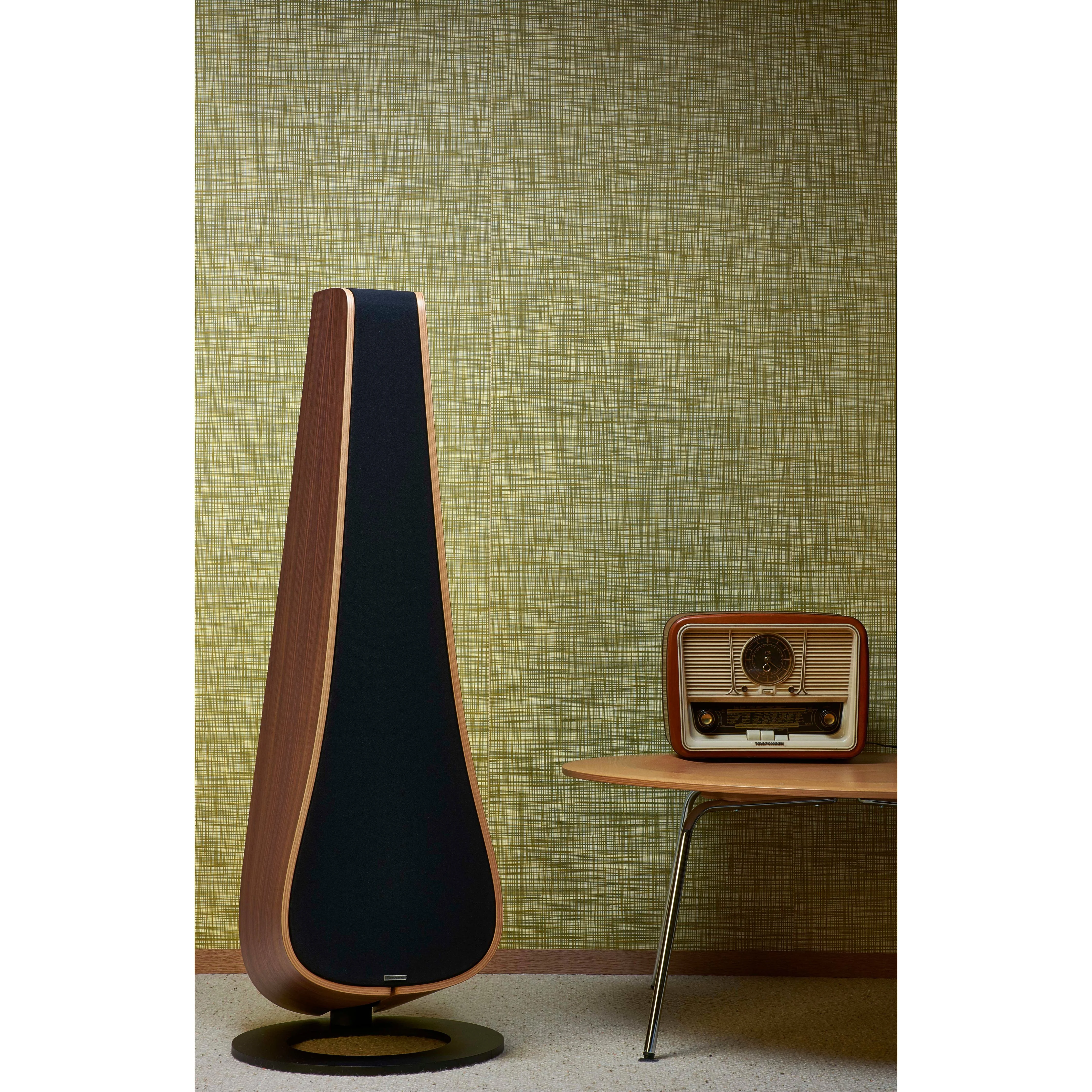
The Solo takes a novel approach on designing a large high end floor standing loudspeaker. With optimal driver placement and clever internal acoustics, the Solo delivers a well balanced sonic picture that is open, detailed, controlled and addictive. For the true connaisseur, the Solo is currently also available with a beautiful Teak finish as shown on the right.
Controlled Directivity
When listening to a loudspeaker in a room, you are in fact listening to the sum of the direct sound and the sound that is reflected by the walls, ceiling and floor. Therefore it is important to control how a loudspeaker radiates the music into a room. Physics tells us that the larger a loudspeaker driver is compared to the wavelength, the more forward-only the sound will travel. For example, at the cross-over between a large mid-range driver and a small dome tweeter, the mid-range radiates mainly forward and the tweeter radiates in all directions. But this discontinuity in the off-axis response means that the reflected sound is not linear. Which in turn means that the sound you hear is not linear. It is distorted.The graphs above shows the off-axis response for the Solo, from 0 degrees (forward) to 90 degrees (sideward), relative to the forward response curve. The Solo cabinet, drivers, membrane material and cross over together deliver a very smooth off-axis response for the Solo. This means the response in the room will be linear and music will sound as intended.
the Whole is Greater
than the sum of its parts. The relative size of the drivers, their placement in the cabinet and their individual qualities are all contributing to the Solo sound quality. The 1” Anodised aluminium dome features a flow optimized vented pole piece and has a non-reflective chamber. It has excellent sound radiation, further controlled by a shallow acoustic lens and very low distortion. The 4” ceramic coated aluminium membrane of the mid range driver is suspended in a soft low damping rubber surround and has an optimised low distortion magnetic motor system in a rigid die cast aluminium chassis. The 8” woofer is of similar construction and further optimised for large deflections with for example a large vented pole piece for reduced compression. The relative sizes and placment in the cabinet aid in controlling the directivity and minimize the effect of the first ground reflection. Finally, the cross over merges the individual concepts together into a carefully balanced system.
prefer Wireless?
With the Davone wireless module, the Solo can be transformed into a high quality wireless loudspeaker. But wireless is not just practical. The module also replaces the analog cross-over with a Digital Sound Processor (DSP) and connects the amplifier direct to the individual loudspeakers.
Features
Wireless OptionalWith the Davone wireless module built in, the Solo becomes a full featured wireless loudspeaker ready to connect to your TV or stereo. Read more on our wireless page. |
Danish loudspeakersThree Danish designed loudspeakers with the latest technology ensure the Solo delivers on its promises: symmetric magnetic motor, solid aluminium basket, extensive venting, to name a few |
Controlled directivityBy integrating the cabinet design, cross over and drivers, the Solo has a controlled directivity of sound, meaning the Solo is less critical to the listening room acoustics |
Hand build in DenmarkBuild by hand in the for Denmark typical small scale production adds a personal touch to each loudspeaker. |
Select your veneerVist the Factory and be there during the build. You will be able to select the veneer you like best |
Finely tuned cross overthe elaborate 24 dB/oct Linkwitz - Riley cross over gives more upper mid range energy for a more open sound and improves the tweeter high power performance. |
Clean upper bassThe acoustic design of the cabinet effectively reduces internal standing waves around 200Hz for improved clarity |
Solo design processFrom idea to design to tooling to first prototype. Read about the Solo design process in our insights section. |
Specs
-
Frequency response
30 - 22.000 Hz
Impedance
4 ohm, 2.5 ohm minimum at 450Hz @ 0 degrees
Sensitivity
89 dB/2,83V/m
Recommended Amplifer power
100-200 Watt
Woofer
8” , Geometrically reinforced aluminum cone, soft low damping rubber surround, rigid die cast alu chassis with extensive venting
Mid range Driver
4", Ceramic coated aluminium membrane, soft low damping rubber surround, optimized low distortion motor system
-
Tweeter
1", Anodised aluminium dome, flow optimized vented pole piece with non-reflective chamber, saturation controlled motor system
Cross over
200 Hz, 2.2kHz, 24dB/Oct Linkwitz Riley
System
Bass reflex/ Closed
Cabinet Construction
10 layer beech wood form pressed veneer with multiple internal stiffeners.
Weight
30kg / piece
Height / Width / Depth
109 / 38 / 38 cm
Current version
HR
Designer
Paul Schenkel
Product Information
Product Information
Shipping & Returns
Shipping & Returns
Davone Solo Floorstanders
Davone Solo Floorstanders
The Solo takes a novel approach on designing a large high end floor standing loudspeaker. With optimal driver placement and clever internal acoustics, the Solo delivers a well balanced sonic picture that is open, detailed, controlled and addictive. For the true connaisseur, the Solo is currently also available with a beautiful Teak finish as shown on the right.
Controlled Directivity
When listening to a loudspeaker in a room, you are in fact listening to the sum of the direct sound and the sound that is reflected by the walls, ceiling and floor. Therefore it is important to control how a loudspeaker radiates the music into a room. Physics tells us that the larger a loudspeaker driver is compared to the wavelength, the more forward-only the sound will travel. For example, at the cross-over between a large mid-range driver and a small dome tweeter, the mid-range radiates mainly forward and the tweeter radiates in all directions. But this discontinuity in the off-axis response means that the reflected sound is not linear. Which in turn means that the sound you hear is not linear. It is distorted.The graphs above shows the off-axis response for the Solo, from 0 degrees (forward) to 90 degrees (sideward), relative to the forward response curve. The Solo cabinet, drivers, membrane material and cross over together deliver a very smooth off-axis response for the Solo. This means the response in the room will be linear and music will sound as intended.
the Whole is Greater
than the sum of its parts. The relative size of the drivers, their placement in the cabinet and their individual qualities are all contributing to the Solo sound quality. The 1” Anodised aluminium dome features a flow optimized vented pole piece and has a non-reflective chamber. It has excellent sound radiation, further controlled by a shallow acoustic lens and very low distortion. The 4” ceramic coated aluminium membrane of the mid range driver is suspended in a soft low damping rubber surround and has an optimised low distortion magnetic motor system in a rigid die cast aluminium chassis. The 8” woofer is of similar construction and further optimised for large deflections with for example a large vented pole piece for reduced compression. The relative sizes and placment in the cabinet aid in controlling the directivity and minimize the effect of the first ground reflection. Finally, the cross over merges the individual concepts together into a carefully balanced system.
prefer Wireless?
With the Davone wireless module, the Solo can be transformed into a high quality wireless loudspeaker. But wireless is not just practical. The module also replaces the analog cross-over with a Digital Sound Processor (DSP) and connects the amplifier direct to the individual loudspeakers.
Features
Wireless OptionalWith the Davone wireless module built in, the Solo becomes a full featured wireless loudspeaker ready to connect to your TV or stereo. Read more on our wireless page. |
Danish loudspeakersThree Danish designed loudspeakers with the latest technology ensure the Solo delivers on its promises: symmetric magnetic motor, solid aluminium basket, extensive venting, to name a few |
Controlled directivityBy integrating the cabinet design, cross over and drivers, the Solo has a controlled directivity of sound, meaning the Solo is less critical to the listening room acoustics |
Hand build in DenmarkBuild by hand in the for Denmark typical small scale production adds a personal touch to each loudspeaker. |
Select your veneerVist the Factory and be there during the build. You will be able to select the veneer you like best |
Finely tuned cross overthe elaborate 24 dB/oct Linkwitz - Riley cross over gives more upper mid range energy for a more open sound and improves the tweeter high power performance. |
Clean upper bassThe acoustic design of the cabinet effectively reduces internal standing waves around 200Hz for improved clarity |
Solo design processFrom idea to design to tooling to first prototype. Read about the Solo design process in our insights section. |
Specs
-
Frequency response
30 - 22.000 Hz
Impedance
4 ohm, 2.5 ohm minimum at 450Hz @ 0 degrees
Sensitivity
89 dB/2,83V/m
Recommended Amplifer power
100-200 Watt
Woofer
8” , Geometrically reinforced aluminum cone, soft low damping rubber surround, rigid die cast alu chassis with extensive venting
Mid range Driver
4", Ceramic coated aluminium membrane, soft low damping rubber surround, optimized low distortion motor system
-
Tweeter
1", Anodised aluminium dome, flow optimized vented pole piece with non-reflective chamber, saturation controlled motor system
Cross over
200 Hz, 2.2kHz, 24dB/Oct Linkwitz Riley
System
Bass reflex/ Closed
Cabinet Construction
10 layer beech wood form pressed veneer with multiple internal stiffeners.
Weight
30kg / piece
Height / Width / Depth
109 / 38 / 38 cm
Current version
HR
Designer
Paul Schenkel
Select Finish
From $4,308.36
Original: $12,309.60
-65%Davone Solo Floorstanders—
$12,309.60
$4,308.36Product Information
Product Information
Shipping & Returns
Shipping & Returns
Description
The Solo takes a novel approach on designing a large high end floor standing loudspeaker. With optimal driver placement and clever internal acoustics, the Solo delivers a well balanced sonic picture that is open, detailed, controlled and addictive. For the true connaisseur, the Solo is currently also available with a beautiful Teak finish as shown on the right.
Controlled Directivity
When listening to a loudspeaker in a room, you are in fact listening to the sum of the direct sound and the sound that is reflected by the walls, ceiling and floor. Therefore it is important to control how a loudspeaker radiates the music into a room. Physics tells us that the larger a loudspeaker driver is compared to the wavelength, the more forward-only the sound will travel. For example, at the cross-over between a large mid-range driver and a small dome tweeter, the mid-range radiates mainly forward and the tweeter radiates in all directions. But this discontinuity in the off-axis response means that the reflected sound is not linear. Which in turn means that the sound you hear is not linear. It is distorted.The graphs above shows the off-axis response for the Solo, from 0 degrees (forward) to 90 degrees (sideward), relative to the forward response curve. The Solo cabinet, drivers, membrane material and cross over together deliver a very smooth off-axis response for the Solo. This means the response in the room will be linear and music will sound as intended.
the Whole is Greater
than the sum of its parts. The relative size of the drivers, their placement in the cabinet and their individual qualities are all contributing to the Solo sound quality. The 1” Anodised aluminium dome features a flow optimized vented pole piece and has a non-reflective chamber. It has excellent sound radiation, further controlled by a shallow acoustic lens and very low distortion. The 4” ceramic coated aluminium membrane of the mid range driver is suspended in a soft low damping rubber surround and has an optimised low distortion magnetic motor system in a rigid die cast aluminium chassis. The 8” woofer is of similar construction and further optimised for large deflections with for example a large vented pole piece for reduced compression. The relative sizes and placment in the cabinet aid in controlling the directivity and minimize the effect of the first ground reflection. Finally, the cross over merges the individual concepts together into a carefully balanced system.
prefer Wireless?
With the Davone wireless module, the Solo can be transformed into a high quality wireless loudspeaker. But wireless is not just practical. The module also replaces the analog cross-over with a Digital Sound Processor (DSP) and connects the amplifier direct to the individual loudspeakers.
Features
Wireless OptionalWith the Davone wireless module built in, the Solo becomes a full featured wireless loudspeaker ready to connect to your TV or stereo. Read more on our wireless page. |
Danish loudspeakersThree Danish designed loudspeakers with the latest technology ensure the Solo delivers on its promises: symmetric magnetic motor, solid aluminium basket, extensive venting, to name a few |
Controlled directivityBy integrating the cabinet design, cross over and drivers, the Solo has a controlled directivity of sound, meaning the Solo is less critical to the listening room acoustics |
Hand build in DenmarkBuild by hand in the for Denmark typical small scale production adds a personal touch to each loudspeaker. |
Select your veneerVist the Factory and be there during the build. You will be able to select the veneer you like best |
Finely tuned cross overthe elaborate 24 dB/oct Linkwitz - Riley cross over gives more upper mid range energy for a more open sound and improves the tweeter high power performance. |
Clean upper bassThe acoustic design of the cabinet effectively reduces internal standing waves around 200Hz for improved clarity |
Solo design processFrom idea to design to tooling to first prototype. Read about the Solo design process in our insights section. |
Specs
-
Frequency response
30 - 22.000 Hz
Impedance
4 ohm, 2.5 ohm minimum at 450Hz @ 0 degrees
Sensitivity
89 dB/2,83V/m
Recommended Amplifer power
100-200 Watt
Woofer
8” , Geometrically reinforced aluminum cone, soft low damping rubber surround, rigid die cast alu chassis with extensive venting
Mid range Driver
4", Ceramic coated aluminium membrane, soft low damping rubber surround, optimized low distortion motor system
-
Tweeter
1", Anodised aluminium dome, flow optimized vented pole piece with non-reflective chamber, saturation controlled motor system
Cross over
200 Hz, 2.2kHz, 24dB/Oct Linkwitz Riley
System
Bass reflex/ Closed
Cabinet Construction
10 layer beech wood form pressed veneer with multiple internal stiffeners.
Weight
30kg / piece
Height / Width / Depth
109 / 38 / 38 cm
Current version
HR
Designer
Paul Schenkel